CHALLENGE 03 / CLARITY & CONTROL

See clearly. Steer confidently.

How do we make complexity manageable?

Understand cost structures, monitor critical projects and establish consistent governance.

SELECTED EXPERIENCE

Explore the work
behind the challenge.

Select a result to preview.

06

Cost transparency / Cost allocation

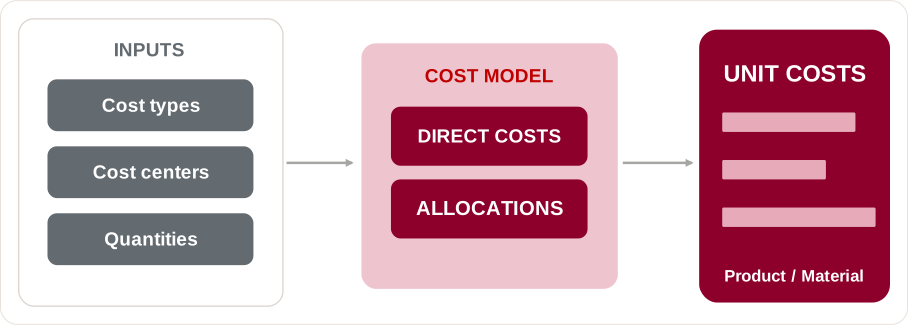
A structured cost allocation approach helps management understand what drives costs at the level of products and materials.

Explore full case

07
08
SOICON / VISUAL EXPLORATION INTERACTIVE
Conceptual visual model: Transparency

A structured cost allocation approach helps management understand what drives costs at the level of products and materials.

Transparency

SCROLL / IN-DEPTH

Beyond the headline.
Inside the work.

Explore the complete cases directly on this page.

RESULT
Clarity & Control

From costs to clarity.

A structured cost allocation approach helps management understand what drives costs at the level of products and materials.

ClientGlobal organization · more than 4,000 employees

Clarity & Control

Cost transparency / Cost allocation

Conceptual illustration of TransparencyVISUAL MODEL / SCHEMATIC

01 / THE CHALLENGE

Understand the situation.

Existing cost reporting by cost type and cost center was insufficient for internal steering and customer discussions.

02 / THE APPROACH

Design a response.

Create an inventory of quantities for relevant products and materials.

03 / WHAT CHANGED

Build a basis for action.

A more decision-ready view of unit costs.

OUR APPROACH

Build cost clarity layer by layer.

Existing cost reporting by cost type and cost center was insufficient for internal steering and customer discussions. Material and product costs required greater detail and validation.

The steps summarize the engagement described in SOICON's existing Results materials. They are not performance measurements.

01
Build the quantity base

Create an inventory of quantities for relevant products and materials.

02
Identify direct costs

Trace cost components that can be directly assigned.

03
Allocate indirect costs

Define rules and distribution keys for costs that cannot be assigned directly.

04
Validate the model

Review completeness and acceptance of cost data with middle management.

WHAT CHANGED / RESULT

A more decision-ready view of unit costs.

A structured representation of material and product unit costs, based on quantity information, direct-cost assessment and agreed allocation logic.

Performance ManagementOpen individual case ↗
RESULT
Clarity & Control

Turn progress into decisions.

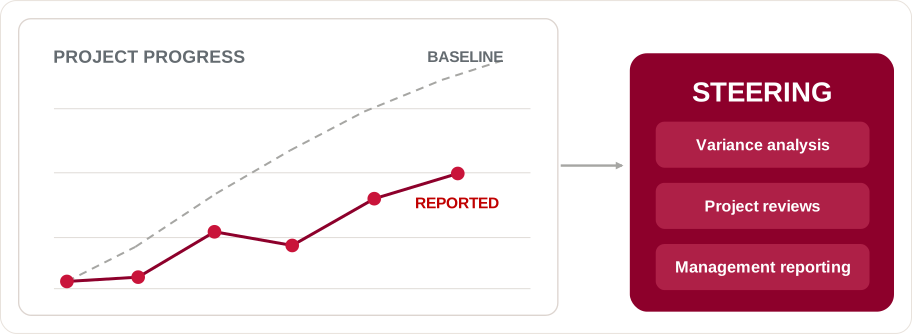
A consistent project structure, clear baselines and systematic progress reporting help management understand deviations and steer corrective measures.

ClientEuropean organization · more than 1,500 employees

Clarity & Control

Project controlling / Reporting governance

Conceptual illustration of Performance ManagementVISUAL MODEL / SCHEMATIC

01 / THE CHALLENGE

Understand the situation.

Major projects faced limited transparency about emerging delays and deviations.

02 / THE APPROACH

Design a response.

Establish a mandatory work breakdown structure with defined work packages.

03 / WHAT CHANGED

Build a basis for action.

Earlier visibility. Better-informed steering.

OUR APPROACH

Make deviations visible and actionable.

Major projects faced limited transparency about emerging delays and deviations. Leaders required a more reliable basis for decisions and escalation.

The steps summarize the engagement described in SOICON's existing Results materials. They are not performance measurements.

01
Structure the work

Establish a mandatory work breakdown structure with defined work packages.

02
Define baselines

Agree on target costs, deadlines and acceptance criteria for individual packages.

03
Report progress

Consolidate earned-value-based information and explain drivers of variances.

04
Establish routines

Embed reviews, project-lead support and consistent reporting to top management.

WHAT CHANGED / RESULT

Earlier visibility. Better-informed steering.

A standardized basis for progress monitoring and management discussion, including drill-down into the causes of plan variances.

IT Security GovernanceOpen individual case ↗
RESULT
Clarity & Control

One framework. Clear responsibilities.

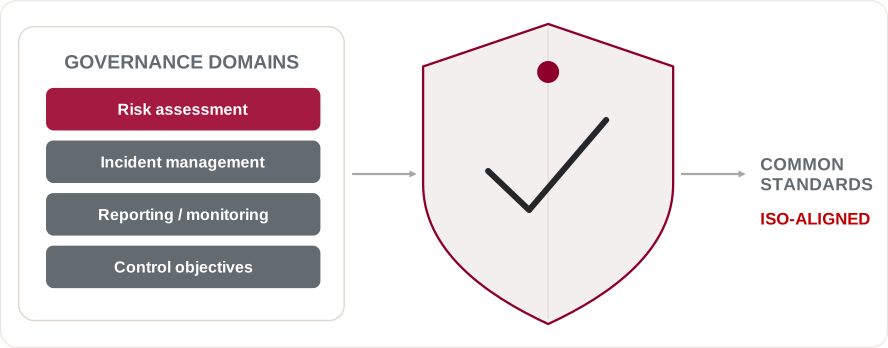
A group-wide approach connects standards, risk assessment, incident handling, controls and management reporting.
ClientGerman organization · more than 500 IT employees
Clarity & Control

Security framework / Governance

Conceptual illustration of IT Security GovernanceVISUAL MODEL / SCHEMATIC

01 / THE CHALLENGE

Understand the situation.

Different business models across several units had produced inconsistent IT security standards and processes.

02 / THE APPROACH

Design a response.

Specify a common information security governance framework and responsibilities.

03 / WHAT CHANGED

Build a basis for action.

A common language for information security.

OUR APPROACH

Connect standards, ownership and oversight.

Different business models across several units had produced inconsistent IT security standards and processes. A coordinated framework and compliance orientation were needed.

The steps summarize the engagement described in SOICON's existing Results materials. They are not performance measurements.

01
Define governance

Specify a common information security governance framework and responsibilities.

02
Establish control areas

Connect risk assessment, incident management and control objectives.

03
Create transparency

Introduce consistent reporting and monitoring of information security activities.

04
Align practices

Coordinate with CIOs and orient standards and routines toward relevant ISO requirements.

WHAT CHANGED / RESULT

A common language for information security.

A defined security governance model with harmonized control areas, reporting principles and orientation toward common information security standards.